
2026-04-12 · home, claims
Updated: 2026-08-21
By InsuraFAQ Editorial Team · Reviewed for accuracy
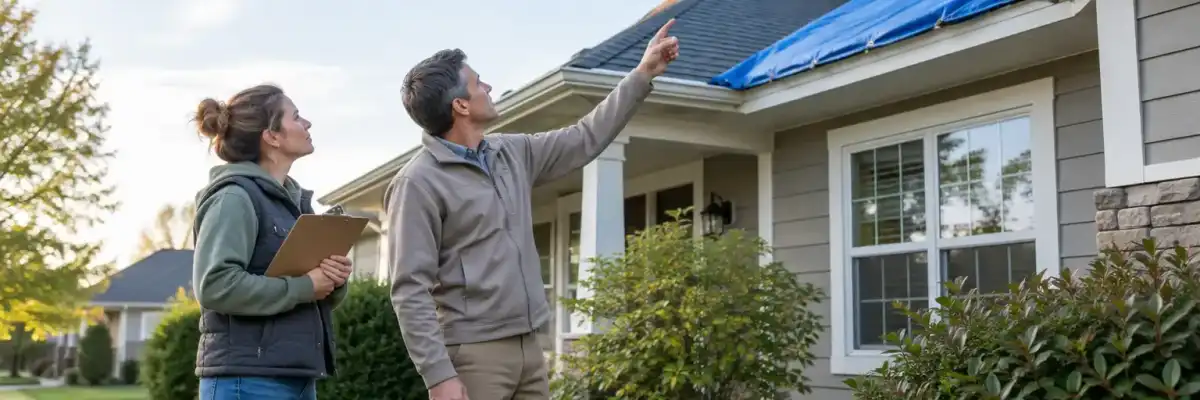
Home Claims Step-by-Step
Overview
After a loss, quick documentation helps your claim move faster. Focus on safety, preventing further damage, and gathering proof of loss.
Steps to file a claim
- Protect the property: stop water leaks or secure broken windows.
- Document damage: photos, videos, and a list of damaged items.
- Notify your insurer: submit the claim and keep the claim number.
- Meet the adjuster: provide documentation and receipts.
- Review the estimate: confirm coverage and deductible details.
Common delays
- Missing receipts or incomplete inventories.
- Contractors without proper documentation.
- Waiting too long to report the loss.
Next steps
Keep a dedicated folder for all claim communications and repair invoices.
What to document the moment a loss happens
The first 24 hours after a loss are critical for your claim. Before you move, clean, or repair anything, work through this checklist:
- Take wide-angle and close-up photos of every damaged room from multiple angles. Capture ceilings, floors, walls, and any standing water or debris.
- Record video walkthroughs so adjusters can see the full scope of damage in context.
- Write down serial numbers and model numbers of damaged electronics, appliances, and equipment.
- Keep damaged items in place unless they create a safety hazard. Throwing things away before the adjuster sees them can weaken your claim.
- Save every receipt for temporary repairs you pay for out of pocket, including tarps, board-up services, and water extraction.
- If the home is uninhabitable, save receipts for hotels, meals, and other additional living expenses. These costs may be covered under your policy’s loss-of-use provision.
For the full filing sequence from first call to final payout, see the step-by-step home insurance claim guide.
How to work with the adjuster without hurting your claim
The adjuster visit is when the insurer builds its estimate, so preparation matters. Keep these guidelines in mind:
- Be accurate and factual. Do not speculate about the cause of the damage or assign fault.
- Walk the adjuster through every affected area, including spaces that may not look damaged at first glance (attics, crawl spaces, basements, behind built-in cabinetry).
- Share your own photos, video, and any contractor estimates you have gathered. You are not required to accept the insurer’s first estimate.
- Keep a written log of every phone call, email, and on-site visit. Record the name of the person you spoke with, the date, and a short summary of what was discussed.
- Ask the adjuster for a written copy of the scope of loss and the line-item estimate before you sign anything.
Review your declarations page before the visit so you understand your coverage limits, deductible, and any endorsements that may apply.
Common reasons a home claim gets delayed or denied
Not every claim moves smoothly. These are some of the most common reasons a home claim stalls or gets turned down:
- Late reporting, especially for water or wind damage where the policy requires prompt notice within a set number of days.
- Evidence that the damage resulted from long-term wear, gradual seepage, or deferred maintenance rather than a sudden, covered event. For appliance and system breakdowns from normal wear — HVAC, plumbing, water heater, and kitchen appliances — a separate service contract handles the repair; see our home warranty vs. home insurance guide.
- Missing documentation of personal property. Without an inventory, photos, or receipts, it is difficult to prove the value of what was lost.
- Exclusions for flood, earth movement, or sewer backup when the homeowner never purchased the necessary endorsement. If you live in a flood-prone area, a separate flood insurance policy may be required. Before the Atlantic season starts, work through our hurricane season prep checklist to close coverage gaps while there is still time.
- Coverage settled on an actual cash value basis when the homeowner expected replacement cost. The difference between these two valuation methods can be significant, especially for older roofs and personal property. Learn more in the replacement cost vs. actual cash value guide.
What to do if the payout seems too low
If you receive a settlement offer that does not cover the actual cost of repairs, you have options:
- Request the full scope of loss and the line-item estimate from your insurer in writing. Review each line to understand what was included and what was left out.
- Get one or two independent contractor estimates for comparison. Licensed contractors who specialize in insurance restoration work can identify items the adjuster may have missed.
- Submit the additional estimates to your adjuster as a supplement. Many disputes are resolved at this stage once the insurer sees documented repair costs.
- If the gap is large and your adjuster cannot close it, escalate through your state’s department of insurance or invoke the appraisal clause in your policy. The appraisal process uses an independent appraiser to settle disagreements over the amount of a covered loss.
For guidance on formal appeals and next steps after a denial, see the claims denial and appeals guide.
Frequently asked questions
How quickly do I need to report a home insurance claim?
Most home policies require “prompt notice” of a loss, often within a set number of days spelled out in your contract. Water and wind claims are particularly time-sensitive because delays make it harder to separate the original event from later wear or secondary damage. Reporting late is one of the most common reasons a home claim stalls or gets denied, so call your insurer as soon as the property is safe and you have a rough sense of the damage — even if you do not yet have a full inventory.
What documentation should I gather before the adjuster visits?
Bring wide-angle and close-up photos of every damaged room, video walkthroughs that show the full scope of damage in context, and a written list of damaged items with serial and model numbers for electronics, appliances, and equipment. Keep receipts for any temporary repairs you paid for out of pocket, such as tarps, board-up services, or water extraction. If the home is uninhabitable, hold on to receipts for hotels, meals, and other additional living expenses so they can be reimbursed under your loss-of-use provision.
Can I get my own contractor estimate?
Yes. You are not required to accept the insurer’s first estimate. Licensed contractors who specialize in insurance restoration work can identify items the adjuster may have missed, and their estimates can be submitted to your adjuster as a supplement. Many disputes are resolved at this stage once the insurer sees documented repair costs from an independent source.
What if my settlement offer is too low?
Start by requesting the full scope of loss and the line-item estimate from your insurer in writing, then compare it line by line against one or two independent contractor estimates. If the gap is still large after submitting supporting documentation, you can invoke the appraisal clause in your policy — an independent appraiser settles disagreements over the amount of a covered loss — or escalate through your state department of insurance.
Is flood damage covered by my home insurance claim?
Standard home policies exclude flood, and they commonly exclude earth movement and sewer backup unless you bought a specific endorsement. If you live in a flood-prone area, a separate flood insurance policy is usually required. If your loss involves rising surface water, check your declarations page for the relevant exclusion before assuming it will be covered under your homeowners claim.