
2026-05-06 · auto, rideshare, gig, coverage
Updated: 2026-09-25
By InsuraFAQ Editorial Team · Reviewed for accuracy
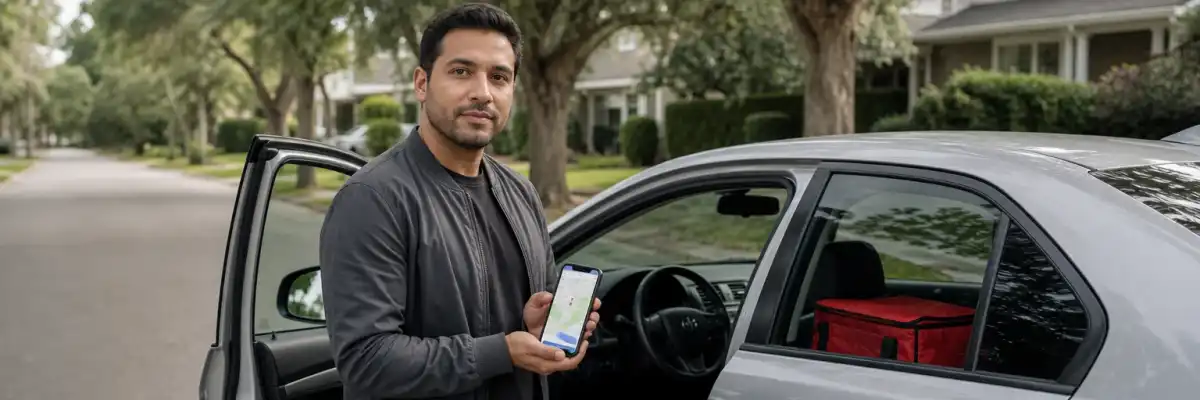
Rideshare and Delivery Insurance: What Personal Auto Policies Actually Cover
Personal auto insurance may exclude rideshare or delivery driving, so check your own policy before driving for pay. Coverage is commonly described in periods: Period 0 (offline, app off), Period 1 (app on, waiting for a request), and Periods 2 and 3 (a request is accepted or a passenger/delivery is in progress). The platform, insurer, and state determine what applies in each period. Ask whether your insurer offers a rideshare or delivery endorsement, a TNC policy, or requires commercial auto coverage.
Rideshare and delivery platforms may provide insurance in some phases of a trip, but the terms can vary by platform, state, driver status, vehicle, and deductible. Your personal policy may also have business-use restrictions. Rather than treating a period label as a coverage promise, use it to identify what to confirm before you drive for pay.
At a glance
- A personal policy can treat driving for pay differently from personal driving; the policy wording, insurer, state, and work type matter.
- Platform insurance may apply in some driver statuses, but confirm current limits, deductibles, exclusions, and eligibility conditions with the platform.
- Ask your insurer whether an endorsement, a gig-driving policy, or another option applies to every platform and activity you use.
- Keep your insurer’s answer separate from the platform’s answer: one does not automatically replace the other.
Why personal coverage can change when you drive for pay
Personal auto policies are written for the uses and risks described in that policy. Driving passengers or goods for compensation can be treated differently from personal driving, and the answer may depend on the insurer, policy wording, state, and type of platform work.
The California Department of Insurance explains that personal auto insurance may not provide coverage while a driver is working for a transportation network company, and that drivers should ask their insurer about available coverage. That is a useful warning, not a national rule: read your own policy and get the insurer’s answer in writing before relying on coverage. California’s consumer guidance explains the issue.
Use period labels as questions, not coverage promises
Platforms commonly describe a driver’s status using periods or phases. The labels can help you organize a conversation, but they do not replace the current policy documents or platform terms.
Period-by-period questions to ask
App off / personal use
- Ask your insurer: Does my policy cover ordinary personal use of this vehicle?
- Ask the platform: Does any platform coverage apply when I am offline?
App on / awaiting a request
- Ask your insurer: Does my policy or endorsement apply while I am available for work?
- Ask the platform: What coverage, limits, exclusions, and deductibles apply while I wait?
Request accepted / en route
- Ask your insurer: Does my policy change once I accept a request?
- Ask the platform: What coverage applies before pickup, and is it contingent on my own coverage?
Passenger or delivery in progress
- Ask your insurer: Does my policy exclude or supplement this use?
- Ask the platform: What liability, injury, physical-damage coverage, limits, and deductible apply during an active trip?
Lyft and DoorDash publish driver-insurance information, but each driver should review the version that applies to their location and work type. Platform materials can change, and delivery work may not be treated the same way as passenger rides.
Rideshare vs. delivery: do not assume the answer carries over
Passenger rides and delivery work can be covered under different endorsements and platform terms. An endorsement described as rideshare coverage may not include food, grocery, package, or other delivery activity. Likewise, a platform’s published insurance information may vary by location, vehicle, and driver status.
Before relying on any option, give your insurer and each platform the same complete list: the platforms you use, the types of work you accept, the vehicle, and the states where you drive. Then compare their written answers for gaps or conditions.
Questions to keep separate
Ask your personal insurer
- Does my current policy allow rideshare, delivery, or other driving for pay?
- Does the answer change when I am waiting, traveling to pickup, or completing a trip?
- Is an endorsement available, and does it cover both passenger rides and the delivery platforms I use?
- What deductibles, limits, exclusions, reporting requirements, or vehicle restrictions apply?
- Can you confirm the answer in writing and point me to the applicable policy language?
Ask the platform
- Which driver status or period applies at the time of a loss in my state?
- What coverage is provided, and what limits, deductibles, exclusions, and eligibility conditions apply?
- Is the coverage contingent on maintaining particular personal coverage?
- Does the answer differ for rides, food delivery, grocery delivery, or different vehicle types?
- Where can I review the current insurance certificate or driver terms for my location?
These questions are for planning, not legal advice. If a claim or policy interpretation is disputed, consider consulting the insurer, platform, state insurance department, or a qualified professional.
Options to discuss with your insurer
Rideshare or delivery endorsement
Some insurers offer an endorsement for certain rideshare or delivery use. Availability, covered activities, and the periods it addresses vary, so confirm the exact endorsement and policy language rather than assuming it closes every gap.
A policy designed for gig driving
An insurer may offer a policy or program designed for a particular kind of gig work. Ask whether it applies to every platform and activity you use, whether it works alongside platform coverage, and what remains excluded.
Commercial auto coverage
Commercial auto coverage may be an option for some business uses, but it is not automatically required for every driver. Ask an insurer or licensed professional whether it fits your driving, vehicle, platform, and state requirements.
Why disclosure matters
Tell your insurer about driving for pay before you rely on the policy. An insurer can explain whether the activity is permitted, whether an endorsement is available, and what information it needs. Do not assume that a platform’s insurance changes the terms of your personal policy.
If there is an accident, report it promptly through the channels required by your policy and the platform, preserve the relevant trip information, and ask each party which coverage it is evaluating. Coverage decisions depend on the facts and applicable contract terms.
Cost expectations
The price of an endorsement, a gig-driving policy, or commercial auto coverage depends on the insurer, state, driving history, vehicle, platforms, and type of work. Request comparable written quotes only after confirming that each option covers the activities you actually perform. A lower premium is not useful if a key platform or driver status is excluded.
Related cost guides
Wondering how rideshare and delivery premiums compare to other lines of insurance? These cost guides break down typical premium ranges and the factors that move them across the most common coverage types:
- average auto insurance cost per month
- average renters insurance cost
- average pet insurance cost
- average umbrella insurance cost
- average homeowners insurance cost
- average health insurance cost
Frequently asked questions
Does personal auto insurance cover rideshare or delivery driving?
It may not. Personal-policy treatment depends on the policy, insurer, state, and the type of gig work. Ask your insurer whether the policy covers the periods and platforms you use, and request the answer in writing.
Does platform insurance replace my personal policy?
Do not assume so. A platform may provide coverage in certain circumstances, but its terms can include limits, deductibles, exclusions, and eligibility conditions. Review the platform’s current driver materials and ask how its coverage interacts with your own policy.
Do rideshare and delivery work have the same insurance rules?
Not necessarily. A rideshare endorsement may not include delivery, and platform coverage can differ by work type and location. Name every platform and activity when you ask your insurer.
What should I do after an accident while working?
Prioritize safety and follow any reporting requirements in your policy and the platform’s terms. Report the loss promptly, save trip details, and ask both the insurer and platform which coverage they are reviewing. This is general information, not legal advice.
Next steps
- Read your policy and ask your insurer, in writing, how it treats each platform and driver status you use. Our guide to auto insurance coverage types can help you understand policy terms.
- Review the current insurance materials for each platform, including its state-specific limits, deductibles, exclusions, and claim steps.
- Compare any endorsement, gig-driving policy, or commercial option only after confirming it covers your actual activities. Use our how to compare insurance quotes guide to organize the comparison.